Synthetic Roofing System Installation Tips for Houses Subjected to Snow and Wind
@rowanelig360
November 1, 2026 · 15 min read
Homes that encounter lengthy wintertimes, drifting snow, and tough seasonal wind require greater than a roofing that looks excellent from the street. They need a roof covering assembly that stays put when gusts begin spying at edges, loses snow without producing persistent ice problems, and takes care of freeze-thaw cycles every year. That is where artificial roof coverings have actually gained genuine respect in the field.
I have actually seen a lot of attractive roofing systems fail early, not since the material itself was inadequate, yet since the setup did not make up local weather. A steep roofing in an open class behaves differently than a protected roof covering under fully grown trees. A valley that functions penalty in a mild climate can end up being the weak point after a heavy Chicago snowfall complied with by an unexpected warmup and refreeze. With architectural synthetic roof covering, the information matter as long as the item label.
For home owners considering domestic artificial roof, specifically in places with winter direct exposure like north Illinois, the conversation ought to work out past shade and profile. Premium artificial roof can mimic slate, cedar shake, or designer shingles perfectly, however performance comes from the entire system: deck problem, underlayment, blinking, bolt pattern, ventilation, and setup approaches customized to wind and snow load.
Why artificial roof covering has come to be a severe choice in extreme climates
Synthetic roofing roof shingles are no more dealt with as a niche product. The far better products have actually developed substantially in the last decade. They are lighter than all-natural slate, commonly extra dimensionally constant than timber, and less complicated to set up precisely when the team knows the maker's specifications. For homes exposed to wind, that consistency issues. Uneven thickness and variable splitting, which can make complex setup with some all-natural products, are less of a concern with well-made artificial roof systems.
Weight is one more useful benefit. A residence may like the look of slate, however not every roofing framework wants the lots of real rock, specifically when several inches of damp snow are added on top. Artificial roof covering substitute usually comes to be appealing when home owners want a premium account without costly architectural reinforcement. On customized constructs and artificial roof for luxury homes, that flexibility opens style choices that would certainly or else be more difficult to justify.
That stated, not all artificial roof coverings are equivalent. There is a vast array in polymer blends, UV security, effect scores, fire ratings, and accessory offerings. One synthetic roofing company may bring items focused on cost-conscious jobs, while one more focuses on costs artificial roof covering with matching ridge, starter, and hip elements. In snow and wind territory, those differences turn up sooner.
Start with the roofing design, not just the product sample
The most significant blunder I see is dealing with synthetic roofing setup like a straightforward product swap. A roofing system in a severe climate ought to be planned as a climate monitoring system. Before a solitary package or pallet shows up, the contractor should assess roof covering pitch, overhang deepness, valley layout, chimney penetrations, soffit intake, ridge exhaust, and just how snow typically crosses the roofing system plane.
Wind exposure is entitled to sincere interest. A home on a wide edge lot, a ridge, or near open farmland sees uplift stress extremely in a different way from a house tucked amongst bordering structures. If the home has multiple gables, dormers, and long eaves, those edges and shifts become risky zones. That is where a proficient artificial professional roofer will certainly usually spend extra time on fastening format and flashing details.
Snow produces a various set of issues. It tons valleys, piles behind chimneys, and melts unevenly where attic warmth escapes. In the Chicagoland location, freeze-thaw biking can be ruthless. A roof covering that warms during the day and secures once again overnight will certainly test every seam, nail positioning, and blinking bend. An artificial roofer Chicagoland house owners trust fund must speak about those characteristics early, not after the estimate is signed.
Deck condition chooses greater than many property owners realize
Synthetic items are forgiving somehow, yet they are not a whitewash for a worn out roofing deck. If the decking has soft spots, edge rot, delamination, or uneven aircrafts, those defects have a tendency to telegram into the completed roof or decrease bolt holding power. In strong wind, that is not an aesthetic concern. It is an architectural one.
During artificial roof replacement, demand a full deck assessment after tear-off. I have actually seen roof coverings where the old product looked serviceable from the ground, once eliminated, several sheets near valleys and eaves were jeopardized from years of small leakage and condensation. Changing those areas added price in the minute, but it avoided a much larger repair later.
Fastener retention depends on audio substrate. When manufacturers define precise nail length, placement zones, and penetration deepness, they are not loading the instruction sheet with legal language. They are attempting to guarantee the mounted roof covering can fulfill the anticipated wind score. A synthetic roof installers staff that hurries this step can undermine a very good product.
Underlayment is where cold-climate roofs silently do well or fail
Homeowners generally focus on the visible roof covering product, but in snow country the underlayment does a huge quantity of job. Water does not always move directly downhill. Wind-driven snow can push wetness up under subjected edges, and ice dams can compel meltwater back below the main roof covering covering.
On homes subjected to snow, I typically such as to see a durable ice and water membrane at eaves, valleys, around smokeshafts, around skylights, and in other leak-prone changes. Depending on local code, roof covering geometry, and historic climate intensity, lots of service providers will certainly expand that membrane well beyond the minimal code line. On the balance of expense versus protection, that is usually cash well spent.
In wider area locations, a high quality artificial underlayment can add tear resistance and temporary dry-in defense, specifically during unforeseeable wintertime scheduling. When an artificial roofing business says the roof covering system consists of underlayment, ask which one, where it is being made use of, and why. "System" is among those words that sounds comforting up until you pin down the actual components.
Wind resistance boils down to sides, fastening, and discipline
When wind damages a roofing, the failure usually starts at the border. Corners, rakes, eaves, ridges, and revealed changes take the initial hit. Once wind obtains under a weak side, the pressure can travel quickly. I have actually seen roofing systems shed just a few items at first, then open up considerably in the following tornado because the initial repair service overlooked the underlying uplift issue.
That is why side steel, starter training courses, and bolt placement need to be precise. An expert synthetic roofing contractor will certainly not "eye it" when the manufacturer offers a required nailing zone. If an item calls for six nails per piece in a high-wind application, making use of 4 since it feels appropriate is not workmanship. It is a gamble.
This is also where training matters. Some roofing professionals are excellent with asphalt yet less knowledgeable about building synthetic roof covering profiles that have various direct exposure lines, locking features, or accessory items. Artificial roof covering installers need to recognize the specific product on the truck that day, not synthetic roof in the abstract.
A few installment points deserve unique focus on windy, snowy homes:
- Reinforce eaves, rakes, and edges according to the supplier's high-wind requirements.
- Use the exact bolt type, size, and quantity defined for the deck and product.
- Install starter, hip, and ridge accessories that are designed for the roof covering line, not improvised substitutes.
- Keep exposure and alignment limited so wind can not exploit uneven spaces or lifted edges.
- Verify that blinking and edge steel sequencing directs water out, even if snow backs up temporarily.
That short list appears standard, however in the field, those are the details that divide a roofing system that survives rough winter seasons from one that ends up being a reoccuring service call.
Snow losing is good, up until it produces a new hazard
One underappreciated attribute of lots of synthetic roofings is just how successfully they shed snow. Compared with rougher surface areas, some artificial accounts permit snow to release even more cleanly. That can lower prolonged loading, which is handy, but it can also develop abrupt snow slides over entrances, decks, sidewalks, and reduced roofing system sections.
This is where product option and roofing system geometry need to be discussed with each other. On a high front-facing roofing system over a busy access, the owner may gain from a snow retention technique. On another section, free shedding might be preferable to lower hefty build-up. There is no global response. A good installer weighs safety, visual appeals, and dampness monitoring together.
Homes with numerous converging roof aircrafts require additional believed right here. Snow gliding from a top roof covering can affect a lower section with enough force to stress flashings, seamless gutters, or guards if they are not developed for it. I have actually seen lower valleys loaded hard with snow and ice merely because the upper roof dumped onto them repetitively all season.
Ventilation still matters, despite exceptional materials
Premium synthetic roofing will certainly not address attic room heat inequality. If warm interior air leaks into the attic room or ventilation is poorly stabilized, snow can melt erratically on the roofing system deck, then refreeze at chillier eaves. That is how many ice dams begin. The roofing system covering gets condemned, yet the root trouble is typically inside the building envelope.
An appropriate assessment need to check out insulation levels, air securing, soffit intake, amazes, and ridge or high-exhaust capability. The goal is a roof deck that stays as close as sensible to the exterior temperature level in winter season. If that appears more like building scientific research than roof covering, that is due to the fact that it is. In chilly climates, roofing system performance sits right at the crossway of both.
For home owners in artificial roofing Chicago markets and western residential areas such as artificial roofing Naperville IL jobs, this is especially relevant because winter weather condition often tends to cycle in between deep cool, wet snow, thaw, and refreeze. That sequence penalizes any kind of powerlessness in air flow or insulation.
Valleys, chimneys, and penetrations are entitled to better than "typical information"
Most leakages do not occur in the broad area of the roof covering. They take place where materials alter instructions, where water concentrates, or where something jabs via the aircraft. Valleys channel huge volumes of water and melted snow. Smokeshafts disrupt runoff and produce drift zones. Plumbing heaps, satellite mounts, skylights, and vent hoods each include another opportunity for wetness intrusion.
I beware whenever a proposal plays down these areas with generic language. On high-end household artificial roof, especially artificial roof for deluxe homes with complex architecture, detail job is where the installment gains its cost. Counterflashing need to be crisp. Saddle blinking behind bigger smokeshafts must be thought about where proper. Valleys must be built with both drain and snow behavior in mind.
One useful instance: open valleys can execute quite possibly, but they require clean geometry and compatible metals. Closed-cut or woven techniques may suit other roofing kinds much better, depending upon the product. With synthetic roof covering roof shingles that mimic slate or shake, the valley strategy must match both the product and the climate. There is no factor to require an acquainted approach if the manufacturer recommends one more path.
Cold-weather organizing can impact installation quality
Winter roof is feasible, but it needs technique. Some synthetic products handle low temperatures much better than others. Sealants behave in different ways in the cold. Crew speed goes down when surface areas are icy and daytime is short. That does not automatically suggest the task must be delayed, yet it does mean the schedule and techniques require adjustment.
A skilled artificial roofing contractor ought to be candid concerning this. If temperatures are near product limitations, if snow cover protects against correct substratum preparation, or if the roof can not be maintained securely dry throughout setup, holding off a day or organizing the job in different ways may be the wiser relocation. It is far much better to approve a short hold-up than thrill a long-term setting up under temporary pressure.
The ideal crews prepare for climate windows. They shield subjected locations strongly, stage products so pieces stay clean and workable, and prevent shortcuts that usually appear when a tornado is forecast for the following morning.
Choosing the right installer matters as much as picking the right roof
People frequently ask whether the brand name or the professional matters more. In rough environments, I would claim the contractor first, then the brand, gave the brand is trustworthy. A solid item can be spoiled by casual handiwork. An experienced team can make a good product execute as meant for decades.
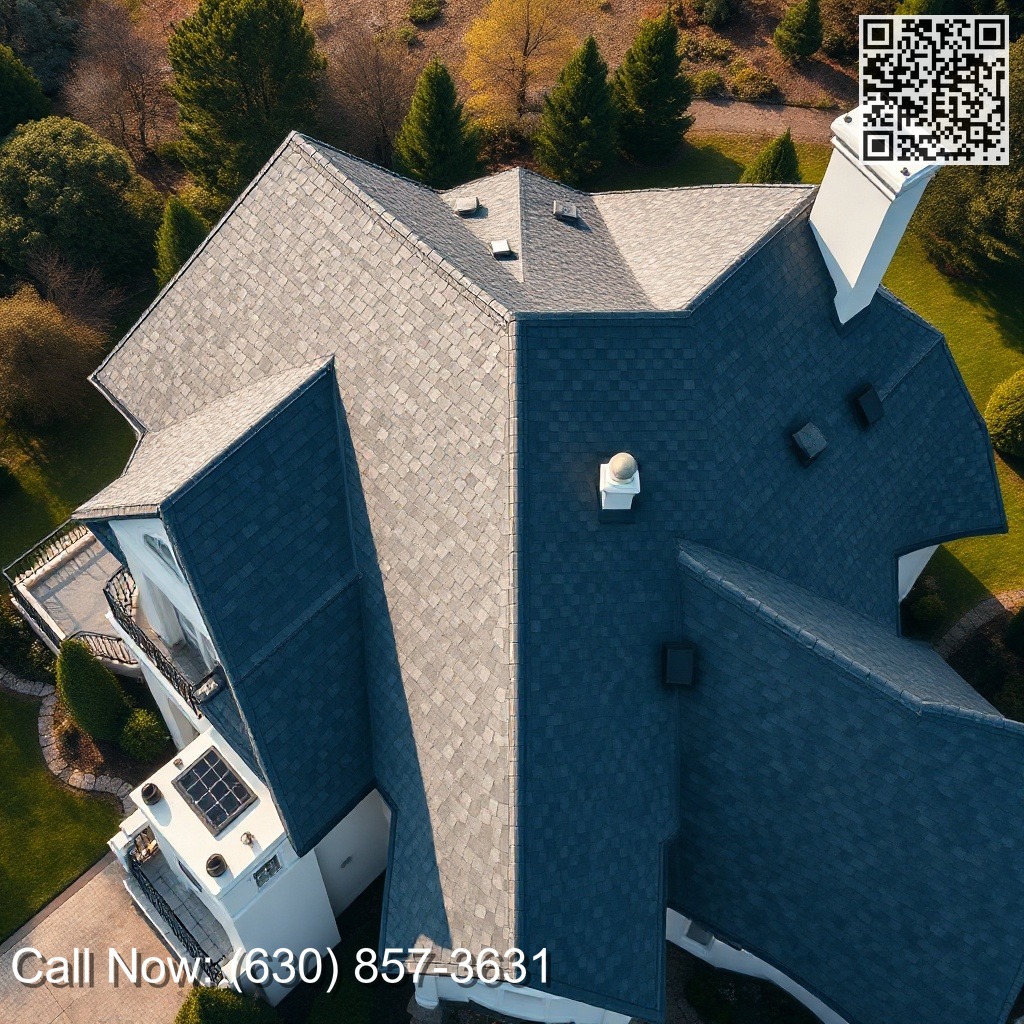
When reviewing an artificial roof covering firm, ask particular inquiries. Have they mounted this specific product before? Do they follow maker training or certification programs? Exactly how do they take care of ice and water security in valleys and eaves? What modifications do they produce high-wind areas? Can they discuss ventilation strategy in ordinary language? If the answers stay unclear, keep looking.
A dependable professional also comprehends the aesthetic side. Several house owners pick building artificial roofing since they want the look of slate or cedar without the very same upkeep problem or architectural weight. Excellent installers preserve that style intent by keeping rushing clean, cuts balanced, and accessory items regular across the roof.
Here are a few indications that https://rowanmjay068.brightpathdigest.com/posts/artificial-roof-for-luxury-residences-with-requiring-building-styles you are speaking with the right group:
- They talk about the roofing as a system, not simply a tile or tile.
- They check outdoor decking, attic air flow, and flashing conditions prior to finalizing scope.
- They can describe producer requirements without guessing.
- They talk about local snow and wind habits, not generic nationwide averages.
- They supply a clear plan for securing landscape design, rain gutters, and prone roof covering transitions.
That kind of conversation generally informs you more than a glossy pamphlet ever will.
Cost, value, and where premium alternatives make sense
Synthetic roofing replacement often sets you back more ahead of time than typical asphalt, yet the value formula is not almost first price per square. In snow and wind direct exposure, homeowners ought to consider sturdiness, anticipated upkeep, visual durability, structural factors to consider, and insurance policy implications where applicable.
Premium artificial roof makes one of the most sense when the house architecture calls for a polished account, when the proprietor wants reduced maintenance than all-natural wood, or when natural slate's weight creates complications. For some homeowners, the determining aspect is aesthetic allure coupled with storm resistance. For others, it is the capability to get a premium appearance without rebuilding framing to bring a much larger roof.
Still, costs does not indicate overbuilt in every case. A modestly sized home in a protected setting may not need one of the most costly line of product if a mid-tier artificial roof satisfies the performance requirements and the setup is superb. Good judgment implies matching the roofing to your house, not instantly grabbing the top shelf.
A regional perspective for snowy, gusty markets
In north Illinois, the challenge is not just one climate event. It is rep. Snowfall, wandering, wind uplift, ice, thaw, moisten snow, after that another freeze. A roofing system might look great after one wintertime and start revealing stress and anxiety after the 3rd or fourth if information were missed out on. That is why property owners looking for artificial roofing Chicago professionals or a synthetic roofer Chicagoland team need to prefer local experience, particularly with homes that have actually currently endured numerous winters.
The exact same chooses suburban jobs. A crew doing synthetic roofing Naperville IL work ought to comprehend area exposure patterns, usual attic room issues in the local real estate supply, and exactly how community code intersects with producer suggestions. Regional knowledge is not marketing fluff when weather is a major design load.
What a well-installed artificial roof need to feel like after the very first tornado season
After a proper artificial roof installment, the signs are typically refined. You do not hear items rattling in tough wind. Snow and meltwater relocation where they should. Attic evaluation reveals no fresh staining around penetrations or valleys. Gutters are not packed with unusual particles. Edges remain neat, ridges remain straightened, and nothing about the roofing system requests attention.
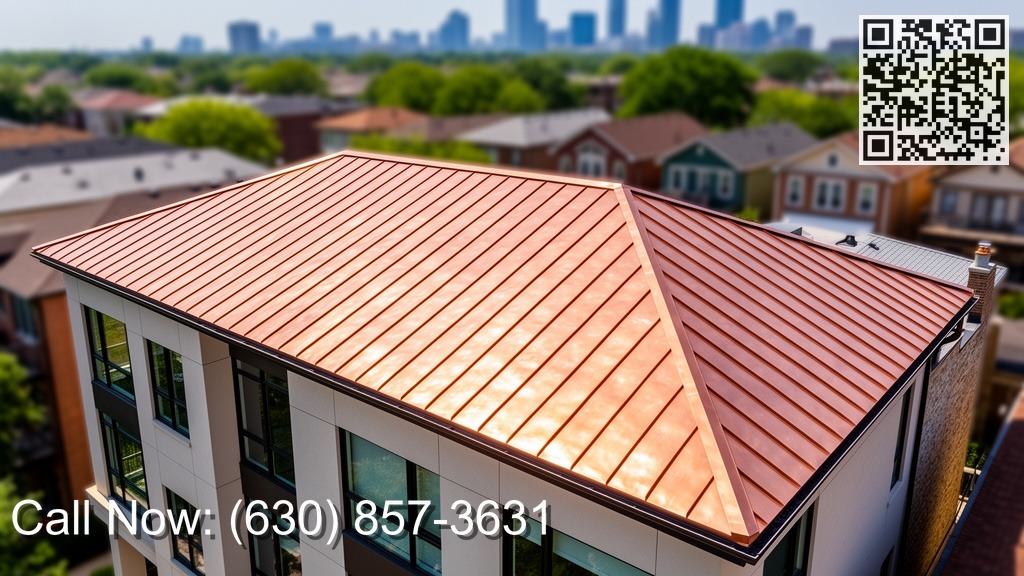
That peaceful performance is the objective. The roof covering ought to not become the most fascinating part of winter. It ought to simply deal with the season.
For house owners weighing artificial roof coverings for a snow- and wind-exposed residential or commercial property, the best guidance is straightforward: choose an item with proven requirements, but placed equal energy into choosing the installer and reviewing the information of the setting up. Ask exactly how the roofing will certainly manage uplift, drifting, ice backup, air flow, and focused drainage. Press for specifics. On a difficult home, those solutions matter much more than an example board in excellent showroom lighting.
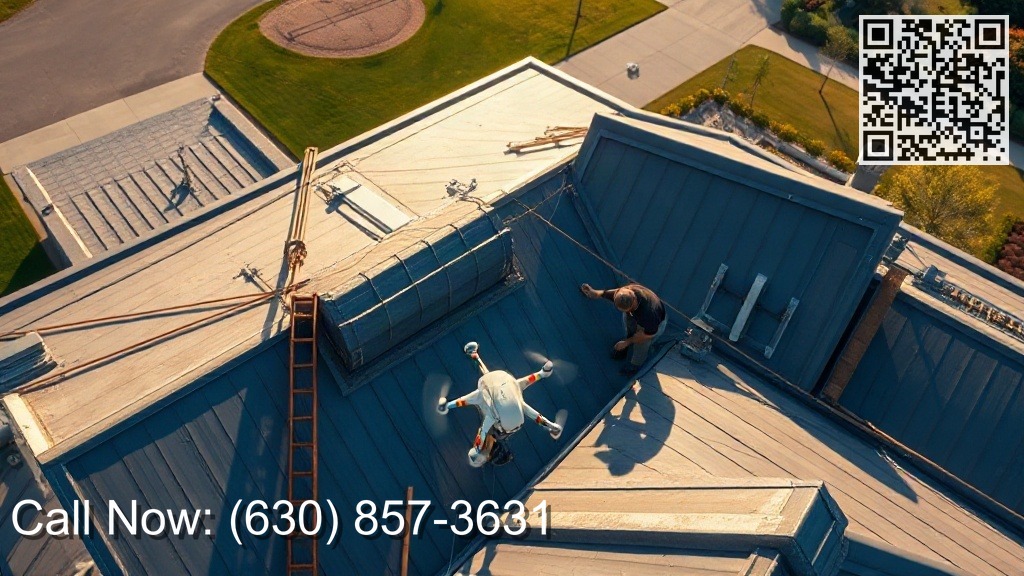
When artificial roof are selected thoughtfully and mounted with technique, they can offer an engaging mix of resilience, charm, and useful performance. That is specifically real for domestic artificial roof covering in environments where winter season examinations every shortcut. A roofing system does not require to be fancy to be outstanding. In snow and wind nation, impressive generally suggests it is still doing its work long after the tornado has passed.
When Quality Matters
Salvo Architectural Roofing Contractors
566 West 5th Ave Naperville, IL 60563
(630) 857-3631
 Ask ChatGPT
 Ask Grok
 Ask Perplexity
 Ask Claude
 Ask Google AI
 Ask You