Just How Synthetic Roof Coverings Decrease Upkeep After Midwest Winter Season Storms
@rowanelig360
October 29, 2026 · 15 min read
Anyone that owns a home in the Midwest discovers promptly that wintertime does not examine a roofing system once. It checks it over and over. Snow lots construct, daytime thaw loosens up water right into seams, nighttime temperatures lock it back right into ice, and wind keeps trying to find an edge to raise. By late February, even a well-built roof covering can show the wear. Missing roof shingles, broken tabs, loosened flashing, blocked valleys, stained ceilings, and the sluggish drip that only appears when the attic room warms up, these recognize require roofer across Illinois and the better Chicagoland area.
That is one reason a lot more property owners have actually started asking about artificial roofings. Not since they are fashionable, and not due to the fact that every home requires one, but since they solve numerous repeating upkeep issues that traditional materials deal with after harsh winter climate. When picked carefully and mounted well, artificial roof can decrease damage, dropped water better, resist influence, and hold their appearance with much less treatment year after year.
For house owners in places like Chicago, Naperville, and the surrounding suburbs, the question is normally practical: will this roof indicate fewer repair services after a hard winter season? Oftentimes, the solution is of course. The details matter, though, particularly the item kind, the profile, the attic problems, and the ability of the team managing the artificial roofing installation.
Midwest winter damages is seldom triggered by one event
The roofing systems that stop working after a tornado are not constantly the roofings that took the deepest snow. Regularly, they are the roof coverings that were already vulnerable in a couple of tiny means. A weak tile near the eave. A weak valley detail. Blinking that served in October yet no more secured tightly after weeks of growth and contraction.
In the Midwest, winter roofing damage generally originates from a chain reaction. Snow piles up. The house loses warm erratically. Snow melts in cozy areas and runs downward up until it reaches a chilly eave, where it freezes and creates ice. Extra water supports behind it. Wind-driven snow infiltrates joints. Then the next freeze locks every little thing in position. If roofing material is prone to cracking, crinkling, or absorbing moisture, upkeep calls tend to follow.
Traditional asphalt roof shingles can carry out well, specifically higher-grade versions, however in severe freeze-thaw climates they commonly show their age via granule loss, tab damage, and weakened seal strips. All-natural slate and cedar have their own strengths, yet each comes with upkeep truths. Slate is stunning and long lasting yet heavy, brittle under impact, and pricey to repair. Cedar has heat and character, though moisture monitoring is critical and maintenance is ongoing.
This is where building synthetic roof covering has gained traction. It aims to deliver the look of slate, shake, or floor tile while decreasing a few of the upkeep worries those materials can create after repeated winter stress.
Why artificial materials manage freeze-thaw cycles differently
A well-made synthetic roofing item is crafted to be lighter, more adaptable, and extra effect resistant than lots of standard options. That versatility matters in cold weather. When temperature levels turn from the teenagers to the mid-thirties and back once more, the roofing system surface expands and agreements. Products that become fragile under those conditions can fracture. Materials with a little give are much less likely to fracture at nail factors, sides, or anxiety lines.
That does not suggest every artificial product is equivalent. Premium synthetic roof covering differs extensively by maker, formula, and guarantee support. Some products are built polymers, some are rubber blends, and others are sophisticated composite materials. The most effective among them are made to resist UV exposure, dampness absorption, and thermal motion without shedding shape or structural integrity.
From an upkeep perspective, the benefit is simple. When the roofing material itself is much less likely to divide, chip, or loosen up in winter, there are less chances for water breach after storms. In functional terms, that can indicate less spring repair check outs, fewer emergency situation spots, and less cash invested chasing isolated leak points.
I have actually seen this play out a lot of plainly on steep roofings with complicated geometry. An easy cattle ranch roof covering is one thing. A huge customized home with dormers, hips, valleys, stone smokeshafts, and long eaves is another. On those homes, every roof covering information comes to be extra exposed to snow drift, ice build-up, and wind pressure. Artificial roof covering for high-end homes has come to be particularly prominent for that reason. Proprietors want the look of cedar shake or slate, yet they do not want the yearly worry that features delicate products and difficult winter season repairs.
Ice dams subject weaknesses fast
No winter season roofing conversation in the Midwest is total without discussing ice dams. Home owners have a tendency at fault the roofing system covering itself, however the real picture is much more complex. Ice dams develop when warm loss from the home thaws snow above, then refreezes at the cooler edge of the roof. Ventilation, insulation, air securing, underlayment option, and roof covering design all play a role.
Still, the outer roof material matters. Some surface areas hold snow in different ways. Some profiles create more friction. Some products take in more dampness or deteriorate faster when water rests against them repetitively. Artificial roof covering roof shingles and artificial slate profiles often offer a cleaner, extra consistent surface area that sheds water well and does not degrade as rapidly from periodic cold. When paired with correct ice-and-water protection at susceptible locations, they can lower the amount of upkeep connected to dam-related infiltration.
That does not make a synthetic roof covering immune to ice dams. No responsible synthetic roofing contractor ought to promise that. If the attic is dripping warm badly enough, ice will still develop. However when ice does back up, the roof setting up has a far better possibility of holding the line if the material is stable, the underlayment is suitable, and the flashing information were carried out correctly.
A home owner in Naperville once explained the difference after changing an aging cedar-look roofing system with a synthetic choice. Prior to the substitute, every hefty snow seemed to produce the exact same routine: rake the reduced edge, watch for discoloring around a second-floor bedroom, and call for area fixings in springtime. After the brand-new installment, together with attic air securing and upgraded underlayment, the winter routine altered. Snow still fell, temperatures still turned, yet the repeated leak concern stopped. That outcome was not just the material, however the material played an actual duty in developing a more flexible roof system.
Impact resistance matters greater than lots of house owners realize
Midwest winters months are not just regarding snow and ice. They additionally bring tree limb strikes, hail storm tucked inside cold fronts, and wind-driven particles. Roofings that survive winter months with fewer repairs usually have something alike: they tolerate impact without immediate noticeable damage.
This is among the best arguments for domestic artificial roof covering. Numerous artificial products are ranked for effect resistance at degrees that surpass even more brittle alternatives. Theoretically, that sounds technical. In the field, it means a branch that might crack an all-natural slate tile or wound an older roof shingles might leave much less damages on a top quality artificial panel or shingle.
The maintenance benefit is not only less evident breaks. It is additionally less surprise ones. Some tornado damages is subtle. A small fracture or puncture may not leakage right away, however after more freeze-thaw cycles it ends up being a trouble. If the roof covering product can soak up that hit and continue to be undamaged, the homeowner avoids the postponed fixing that frequently surfaces months later.
For homes under mature trees, this matters a great deal. In communities throughout synthetic roof covering Chicago solution areas, older lots are lined with oaks, maples, and elms. They add value and appeal, but winter months storms turn them into roof threats. A roof covering material that can disregard the smaller sized effects usually conserves the owner from repeated upkeep calls.
Less weight, fewer structural concerns
Weight is not the first point home owners think of after a winter season storm, yet it should be part of the discussion, specifically throughout a synthetic roofing system replacement. All-natural slate and clay tile are significant products. They can last a long time, however their weight locations real demands on the roofing system structure. In an area where https://riverooaz418.summitquill.com/posts/synthetic-professional-roofer-chicagoland-specialists-on-freeze-thaw-protection roofing systems currently carry snow loads, a lighter roofing material uses functional advantages.
Synthetic roofs resemble the visual deepness of heavier materials while placing much less stress and anxiety on rafters and outdoor decking. That does not eliminate the demand for architectural testimonial, however it streamlines several jobs and can make future maintenance more workable. Crews can work much more securely and effectively on a lighter system, and repair work, if they are ever before required, tend to involve much less customized handling than breakable stone or tile.
That becomes particularly relevant on older homes in the Midwest, where framing may be solid but not made for the dead load of premium all-natural products. A synthetic roof company that understands local housing stock can review whether a home is an excellent candidate for slate-look or shake-look synthetics without requiring unneeded structural modifications.
The installment high quality still decides a lot
An inadequate installment can mess up an excellent item. That is true for each roof product, however it is specifically essential with artificial systems because house owners typically expect a near-premium outcome and reduced upkeep from day one. If the fastening pattern is wrong, if the starter programs are weak, if the valleys are cut thoughtlessly, or if the flashings are recycled when they should have been changed, winter season will reveal those faster ways quickly.
The distinction between a roof covering that cruises via February and one that requires March fixings commonly boils down to small information that never ever show up in advertising pictures. This is why choosing competent synthetic roof covering installers matters as high as picking the product itself. A trusted synthetic professional roofer Chicagoland home owners can rely upon need to understand regional snow patterns, ice dam zones, municipal code demands, attic room air flow, and manufacturer-specific installation standards.
When I look at roof coverings that remain trouble-free after severe winters, I normally see the very same points: careful flashing transitions, strong side describing, thoughtful snow and water monitoring, and a staff that appreciated format and direct exposure lines. Synthetic roof installment is easy in the abstract, yet it does reward discipline. A roofing system can look lovely from the road and still be vulnerable if the system beneath was rushed.
Where upkeep financial savings in fact show up
Homeowners typically ask whether artificial roofing systems get rid of maintenance. They do not. No roofing is maintenance-free, especially in a Midwest climate. Gutters still need cleaning. Flashings still should have evaluation. Branches still require trimming back. Sealants around penetrations still age. What adjustments is the regularity and extent of material-related repairs.
The cost savings often tend to turn up in a couple of certain ways:
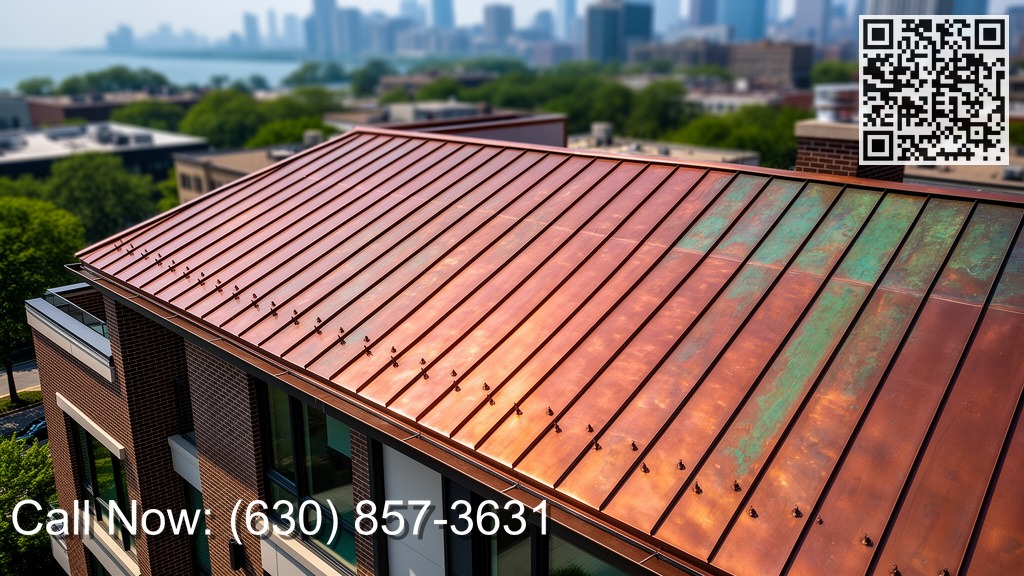
- fewer split or busted area pieces after freeze-thaw cycles
- less replacement job after minor limb strikes or hailstorm events
- fewer reoccuring leakage investigations tied to brittle, maturing roofing system surfaces
- less cosmetic degeneration on high-visibility roofing planes
- longer intervals before a significant synthetic roofing replacement comes to be necessary
That is not an assurance of lower price in every year. The in advance investment for premium synthetic roofing is typically greater than conventional asphalt. For some homes, particularly basic rooflines on small spending plans, architectural shingles continue to be the ideal answer. Yet on larger homes, steep slopes, custom designs, or properties where proprietors desire the look of slate or cedar without the same upkeep account, the lifecycle formula typically favors artificial materials.
Aesthetic sturdiness becomes part of maintenance, too
Homeowners normally consider upkeep as leakages and fixings. Appearance belongs in the discussion as well. Winter season is hard on the appearance of a roofing. Repetitive moisture exposure, ice scratching, blown particles, and sunlight glow mirroring off snow can age lower-grade materials promptly. Fading, streaking, busted edges, and uneven wear make a roofing system appearance tired long prior to it stops working structurally.
Premium artificial roofing items are typically selected because they hold their profile and shade well. That matters on visible front elevations, however it matters much more on homes with complex roofing style where patchy wear attracts attention. A roofing system that maintains its shape and finish with numerous winters calls for fewer place fixes for look alone.
This is a big reason artificial roofing for deluxe homes has found such a solid niche. On high-end residential jobs, proprietors appreciate lasting aesthetic uniformity. They want the roof covering to age gracefully, not start looking mismatched after the first fixing cycle. Since many artificial lines are developed with mixed color scheme and shaped texture, substitute items can incorporate much more normally than fixings on weather-beaten timber shake or weak stone.
Not every home requires the exact same synthetic roof system
One blunder I see is dealing with all synthetic roofings as interchangeable. They are not. The appropriate system relies on the home, the neighborhood, the exposure, and the proprietor's priorities.
A steep Tudor in a windy hallway outside Chicago may take advantage of a slate-profile synthetic with durable fastening and high wind resistance. A big transitional home in Naperville may ask for a shake-look item that enhances stonework and wide roof planes. A historic-style home might need a much more refined profile with darkness lines that simulate hand-split cedar or quarried slate. A lake-influenced microclimate may put extra emphasis on dampness dropping and fastener durability.
That is where a seasoned artificial roof covering company includes value. The job is not just marketing a classification. It is matching the product to the house. Excellent contractors ask the best concerns: Just how much tree cover is there? Are ice dams a background on this residence? What does the attic ventilation resemble? Are there previous leak areas around chimneys or skylights? Is the property owner preparation to stay long enough to gain from the lifecycle value?
For those looking into synthetic roof Naperville IL or broader artificial roof covering Chicago alternatives, regional environment expertise is not a minor detail. It is main to the recommendation.
What house owners need to ask prior to relocating forward
The best artificial roofing jobs begin with a practical conversation, not a sales pitch. Property owners need to comprehend both the benefits and the limits of the material, along with what else needs to take place to decrease winter maintenance.
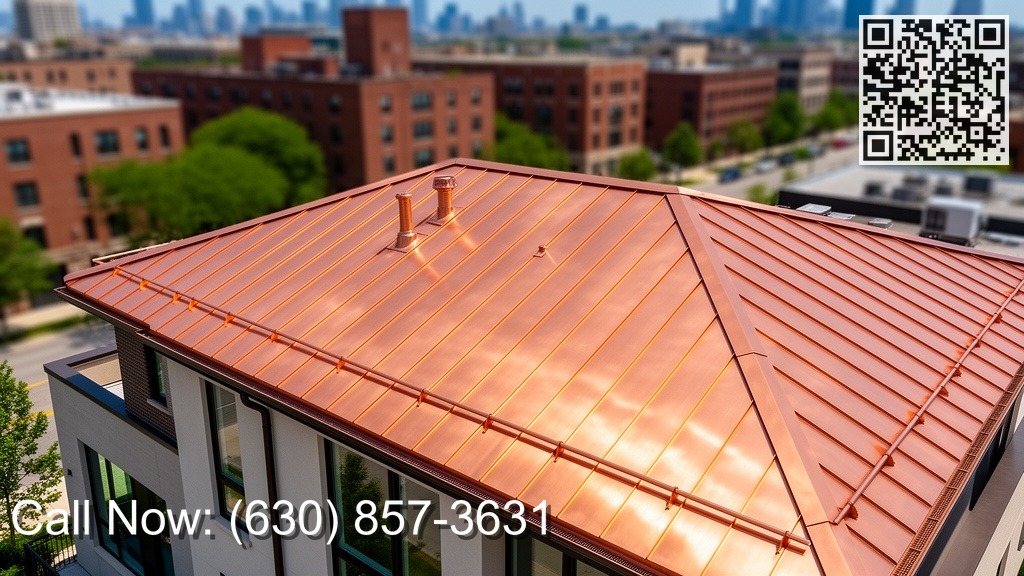
A valuable conversation with an artificial roofer ought to cover these points:
- whether the roofing deck, air flow, and insulation require correction prior to installation
- what effect and wind rankings the details product carries
- how valleys, flashings, ridge details, and eaves will certainly be handled
- what maintenance is still advised after major wintertime storms
- how the service warranty puts on products versus workmanship
Those concerns expose a lot concerning the professional. Clear, particular answers normally indicate area experience. Unclear guarantees regarding a roof that will never ever require focus usually indicate the opposite.
The sensible compromise: higher ahead of time price, reduced interruption later
The major doubt with artificial roofing systems is cost. That reluctance is reasonable. Artificial materials generally rest over basic asphalt in rate, and some costs lines approach the set up price of other premium roof covering classifications. Property owners must not be pushed past their budget in search of a material they do not in fact need.
At the exact same time, price must be weighed against disruption. Repetitive winter season fixings lug their very own rate, not just in invoices but in organizing, indoor risk, and homeowner anxiety. A leak that shows up throughout a deep freeze seldom gets a perfect solution instantly. It obtains a stablizing see, after that a follow-up, after that probably indoor repair services after thaw. Staying clear of that cycle has actually value.
For several houses, particularly those with demanding routines or second-story roof complexity, the very best upkeep plan is reducing the number of winter-related roofing system occasions in the first place. That is where artificial roof coverings gain their keep. They do not quit winter season from being wintertime. They just provide the home an extra resistant covering against the kind of repeated punishment Midwest weather condition delivers.
Why this selection keeps gaining ground in the Midwest
The raised passion in synthetic roofing system substitute across Illinois is not hard to understand. House owners desire sturdiness, lower maintenance, building character, and a product that withstands actual weather condition instead of display room problems. Home builders and remodelers desire products that mount cleanly and carry out continually. Contractors desire systems that reduce callbacks. Synthetic roof covering sits at that intersection.
When defined appropriately, architectural synthetic roof covering can supply the appearance of premium materials with a more forgiving maintenance account after hefty snow, ice, hail, and freeze-thaw cycling. That is a meaningful advantage in this region. It does not replace excellent insulation, great ventilation, or great workmanship. It does support all three.
After sufficient Midwest winter seasons, the majority of house owners come to be much less interested in roof theory and even more interested in functional outcomes. Does the roofing stand up? Does it stay clear of reoccuring difficulty spots? Does it maintain the house completely dry without continuous intervention? On many homes, specifically those with complex rooflines or a background of wintertime damages, the response is significantly found in premium artificial roofing systems mounted by contractors that understand the climate they are building for.
When Quality Matters
Salvo Architectural Roofing Contractors
566 West 5th Ave Naperville, IL 60563
(630) 857-3631
 Ask ChatGPT
 Ask Grok
 Ask Perplexity
 Ask Claude
 Ask Google AI
 Ask You